
Chimney leaks often begin with subtle warning signs—such as ceiling stains, a musty odor near the fireplace, or visible cracking around the chimney structure. In many cases, the underlying issue is damaged, improperly installed, or deteriorated chimney flashing. Because flashing serves as the protective barrier between your chimney and roof, even small failures can lead to major water intrusion, mold, and costly repairs if left unaddressed.
When flashing fails, water can easily seep into your home, causing rot, staining, and structural deterioration. Improper installation, years of weather exposure, and heavy wind-driven rain are common culprits behind leaking chimney flashing. At Precision Chimney Care, we specialize in repairing and restoring flashing to ensure your chimney remains watertight and protected year-round.
Our experienced team inspects the full perimeter of your chimney, identifies the source of the leak, and repairs the flashing using durable, weather-resistant materials designed to withstand harsh conditions. Whether your flashing shows signs of corrosion, lifting, cracks, or sealant failure, we ensure the repair is done accurately and securely.
Don’t take chances with your home’s structure or energy efficiency.
If you’re noticing water stains or signs of a leak, contact Precision Chimney Care today for expert chimney flashing repair you can depend on.
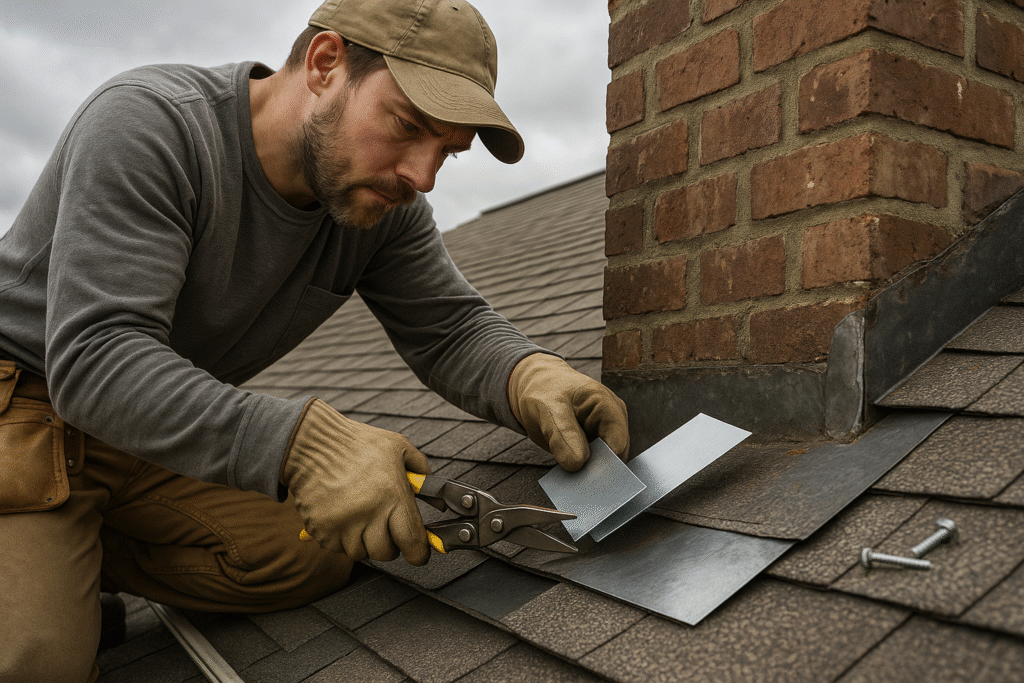

We begin with a thorough inspection of the flashing, surrounding masonry, roof shingles, and all connecting components. This helps us pinpoint the exact cause and extent of the damage.
If the existing flashing is cracked, rusted, or failing, we remove it completely along with any loose roofing cement, caulking, or deteriorated shingles around the chimney base.
A strong foundation is key. We repair any damaged masonry, fix compromised shingles, and address visible leaks to ensure the new flashing can be installed securely and effectively.
Next, we install high-quality sheet metal flashing—commonly aluminum or copper—cut and fitted precisely to your chimney. We finish the installation with commercial-grade sealants for long-lasting protection.
After installation, we perform a complete water-diversion test to ensure the flashing is directing moisture away exactly as it should. We also seal any small gaps or weak points for added protection.
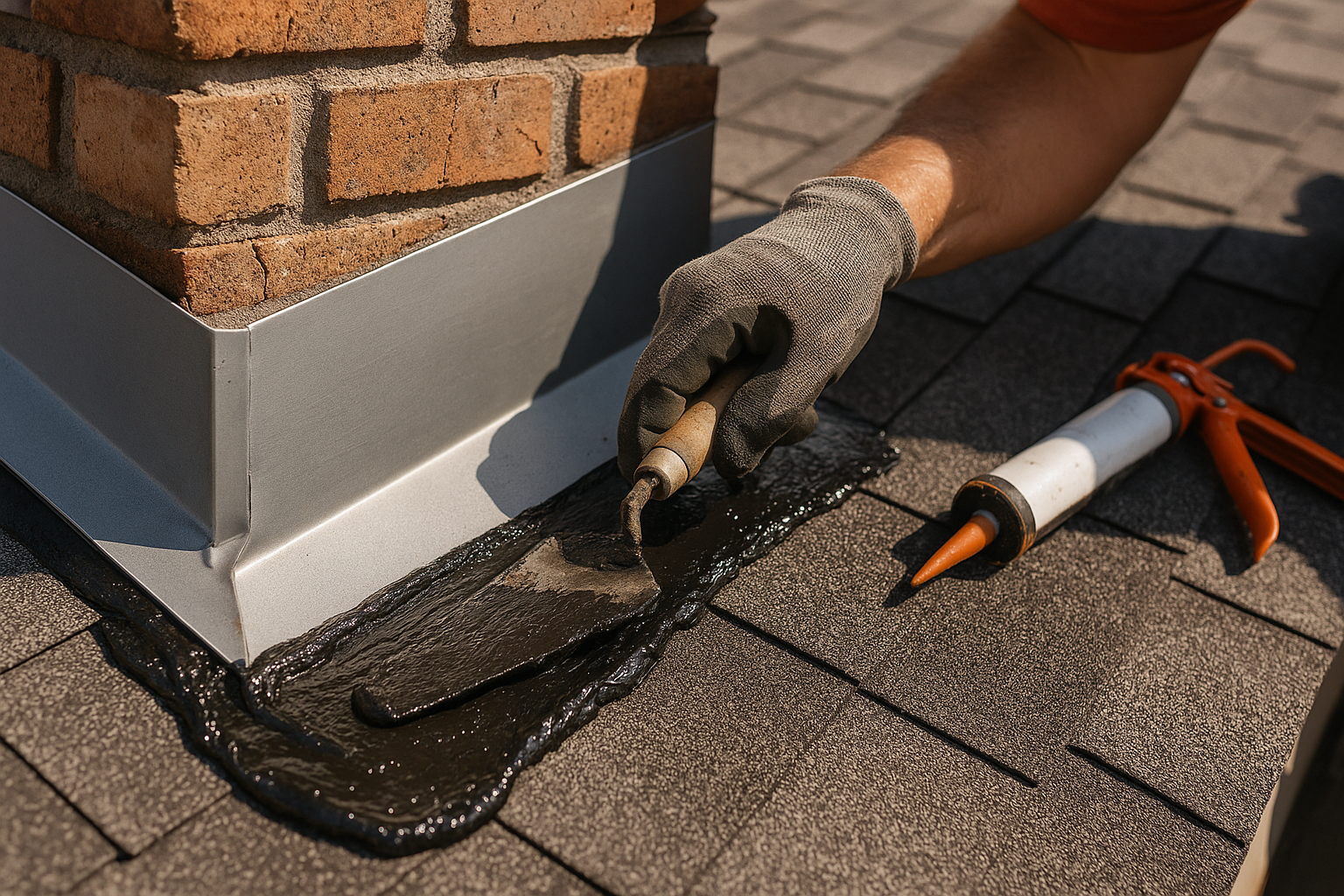
Chimney flashing is one of the most important defense systems against roof leaks. It seals the vulnerable joint where your chimney meets the roof—an area constantly exposed to rain, snow, and melting ice. At Precision Chimney Care, we install and repair flashing using durable, weather-resistant materials to ensure long-lasting protection. Understanding the different parts of chimney flashing helps you see how each component works together to keep your home safe and dry.
Base flashing is installed at the bottom section where the chimney meets the roof. Its job is to channel water away from the joint, preventing moisture from seeping into the roof structure.
Step flashing consists of L-shaped metal pieces placed in layers along the sides of the chimney and underneath the shingles. These “steps” guide water downward and away from the roof and chimney intersection.
Counter flashing is installed in the mortar joints of the chimney and overlaps the step flashing. Its main purpose is to shield and protect the step flashing from wind, rain, and ice infiltration.
Apron flashing is placed at the lower front section of the chimney, typically along a sloped roofline. It directs water away from the vulnerable base area and prevents leaks around the bottom edge.
Chimney flashing plays a critical role in preventing roof leaks and water damage. The price of repairing or replacing your chimney flashing depends on the level of deterioration, accessibility, and the materials required. Here’s a closer look at what influences the overall cost.
The cost of chimney flashing repair varies based on how severe the damage is and what type of materials are needed to restore proper protection.
Smaller issues—like resealing gaps or patching worn areas—are usually quick fixes. These repairs are more affordable and can often be completed in a short time, depending on the flashing’s condition.
Upgrading or replacing step flashing or counterflashing involves a more detailed process. This typically requires additional materials and time, and the final cost depends on the flashing style, level of wear, and how accessible the roof area is.
When the entire chimney flashing must be replaced, the process becomes more labor-intensive. It includes removing old materials, installing new flashing, and ensuring a tight, weatherproof seal. Roof structure, slope, and material type can also influence the overall price.
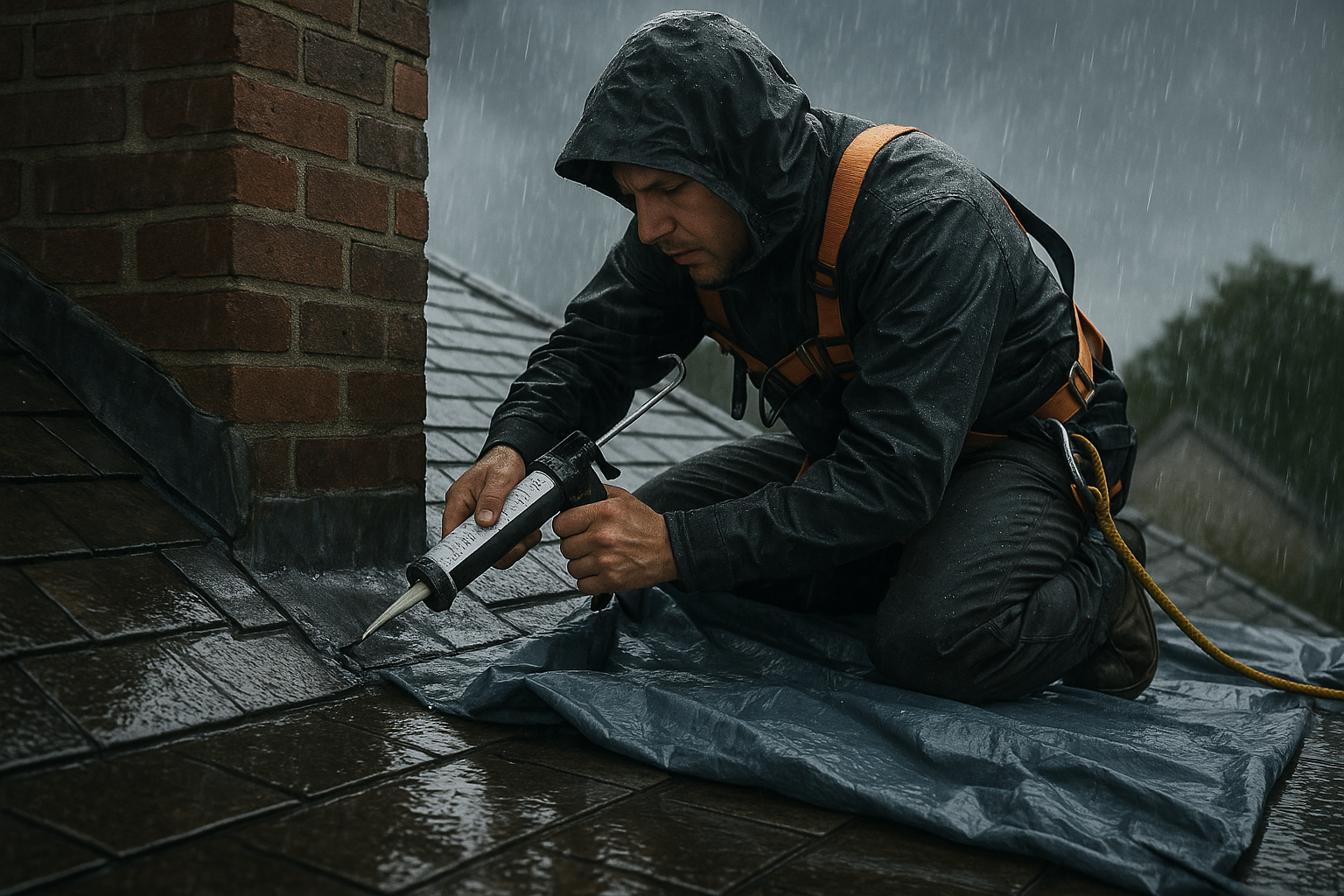
Chimney flashing plays a crucial role in keeping water out of your home. When the flashing becomes worn, damaged, or improperly sealed, moisture can seep into your roof, walls, and chimney structure—leading to costly repairs if ignored. At Precision Chimney Care, we help homeowners recognize the early signs of chimney flashing failure and provide expert repairs that restore a watertight seal and protect your home from long-term water damage.
Chimney flashing is one of the most important components protecting your home from water damage. Here are answers to some of the most common questions homeowners ask about chimney flashing and proper maintenance.
It’s recommended to have your chimney flashing inspected at least once a year—ideally during your annual chimney or roof maintenance. Weather, settling, and natural wear can loosen or damage the flashing, so routine checkups help prevent leaks before they start.
Roof flashing is used throughout the roofing system to seal joints and prevent water intrusion. Chimney flashing is a specific type of flashing installed around the base of the chimney where it meets the roof. Its job is to create a watertight barrier that prevents moisture from seeping into the roof structure or chimney.

Have questions or need a custom quote? Our team is ready to assist with your chimney needs. Reach out today — we’ll get back to you as soon as possible.